
The Groan You Hear Pulling Out on a Cool Morning
It happens in the driveway, not the showroom. You hit the opener button on a November morning, the air finally cool enough to need a light jacket, and the door that's been quiet all summer suddenly groans, jerks, or hesitates on the way up. Maybe you notice daylight coming through the bottom seal where there wasn't any before. Nothing broke overnight. The weather changed, and your garage door is reacting to it.
After months of Florida humidity and afternoon downpours, the air around Astatula is finally drying out and temperatures are dropping into the 40s and 50s some nights. Wood trim, weatherstripping, and even the steel in your door panels expand and contract with moisture and temperature. What felt snug and swollen in July can feel loose, gappy, or stiff in December. This is the season to catch those changes before they turn into a bigger repair.
Check the Seals Before the Next Cold Snap
The rubber weatherstripping along the bottom of your door and the vinyl seals on the sides do most of their stretching and shrinking with the seasons. During a wet Florida summer they often swell just enough to seal tight. As the dry season sets in, that same rubber can shrink back, leaving thin gaps at the corners or along the bottom edge.
- Close the door during daylight and look for light coming through anywhere along the bottom or sides.
- Run a hand along the seal — if it feels brittle, cracked, or pulls away from the track, it's past due for replacement.
- Check that the seal is still pressed flat against the garage floor and not curling at the edges, which lets in cool drafts and small pests looking for a warm, dry place.
Weatherstripping is one of the cheaper fixes on a garage door, and swapping it out now is a lot less hassle than doing it mid-cold-snap when you're also dealing with a draft in the house.
Hardware That Loosened Up Over the Summer
Humidity doesn't just affect seals. Hinges, track bolts, and roller brackets can work slightly loose as the door panels expand and contract through a long, wet summer. Combine that with any salt air if you're closer to the coast side of the county, and you've got a recipe for hardware that's a little rusty and a little rattly by the time cooler weather rolls in.
- Look over the hinges and track bolts for visible rust spots, especially if your garage sees a lot of moisture or sits near standing water after storms.
- Give visibly loose bolts a snug with a wrench — but don't overtighten hardware near the spring system, which is under serious tension and isn't a DIY adjustment.
- Lubricate hinges, rollers, and the track with a garage-door-specific lubricant, not household oil, which attracts more dust and grime than it prevents.
Springs Feel the Temperature Swing Too
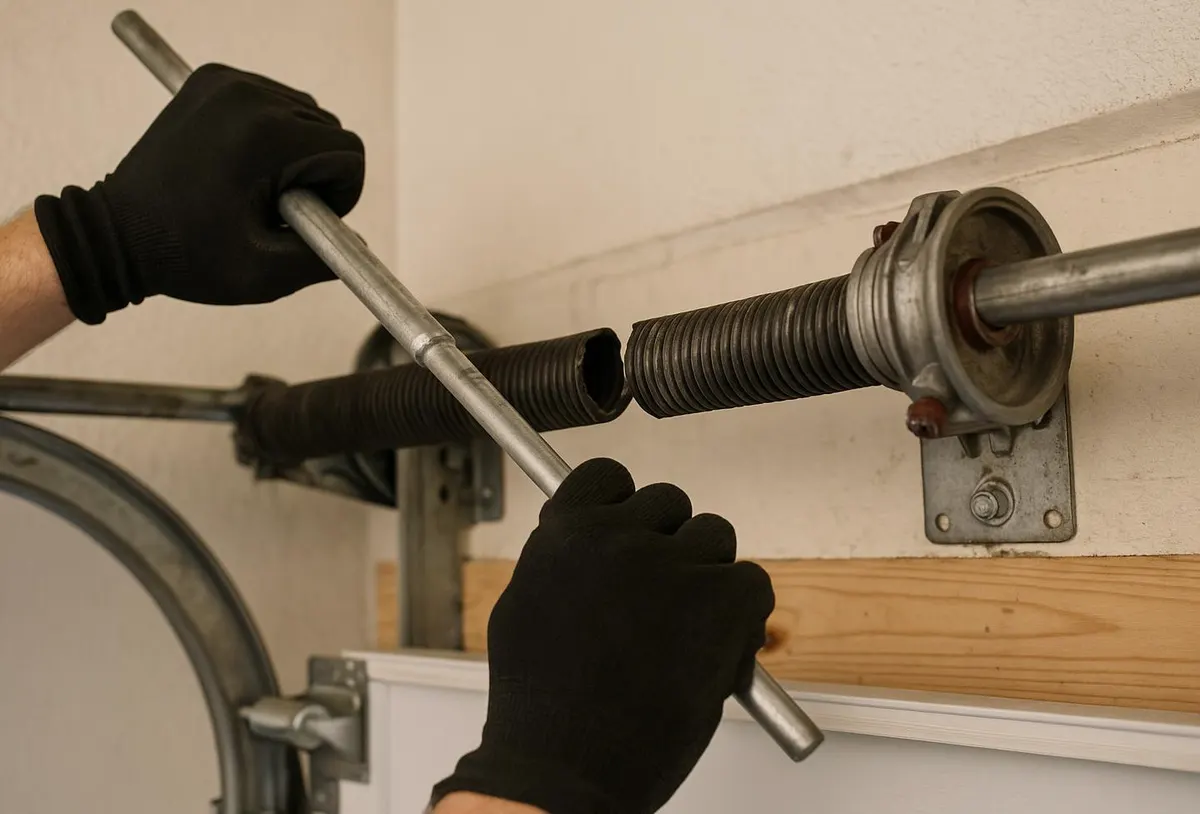
Cooler mornings change how garage door springs behave. Metal contracts slightly in the cold, and a spring that was already worn from a summer's worth of daily cycles can start to feel noticeably stiffer or noisier once temperatures drop. If your door groans going up, hesitates partway, or the opener seems to be working harder than it used to, that's often the spring telling you it's near the end of its service life rather than the opener motor failing.
This is not a part to test yourself by hand. A garage door spring under tension can cause serious injury if it lets go while you're inspecting it. If you're hearing new noise or seeing the door move unevenly, that's a sign to have the spring system looked at rather than waited out.
Off-Track Symptoms That Show Up After a Wet Summer
If your door has been slightly misbehaving all through storm season — catching on one side, closing crooked, or making a grinding sound near the top of the track — dry season is when those small misalignments often get worse. Panels that swelled unevenly in the humidity can settle differently as they dry out, putting a door that was borderline off-track fully off-track. Watch for a door that looks visibly tilted when it's partway open, or rollers that have worked their way out of the track channel.
A Quick Pre-Winter Opener Check
While you're in the garage, test the opener's safety reversal by placing a block of wood in the door's path and making sure it reverses on contact. Check the battery backup if your opener has one — useful not just for winter storms but for the power blips that come with any Florida weather system. Replace the backup battery now if it's more than a couple of years old, rather than finding out it's dead during the next outage.
When to Call Astatula Overhead Door Co
If you're hearing new noises, seeing gaps in the seals that lubricant and a tighter bolt won't fix, or the door is moving unevenly, it's worth having someone look before small issues turn into a stuck door on a cold morning. Our Garage Door Maintenance & Tune-Up service covers exactly this kind of seasonal check — hardware, springs, track alignment, and seals — so small wear gets caught before it fails. If a spring is already showing its age or a panel is swollen and binding in the track, our Garage Door Spring Repair and Off Track Door Repair services handle those fixes directly, with parts rated for the wind and moisture swings this area actually sees.
If your garage door is giving you that end-of-summer groan, don't wait for a stuck door on a 40-degree morning to deal with it. Call Astatula Overhead Door Co for a seasonal tune-up or repair, serving Astatula, Tavares, Leesburg, Mount Dora, Eustis, Howey-in-the-Hills, Minneola, and Clermont.